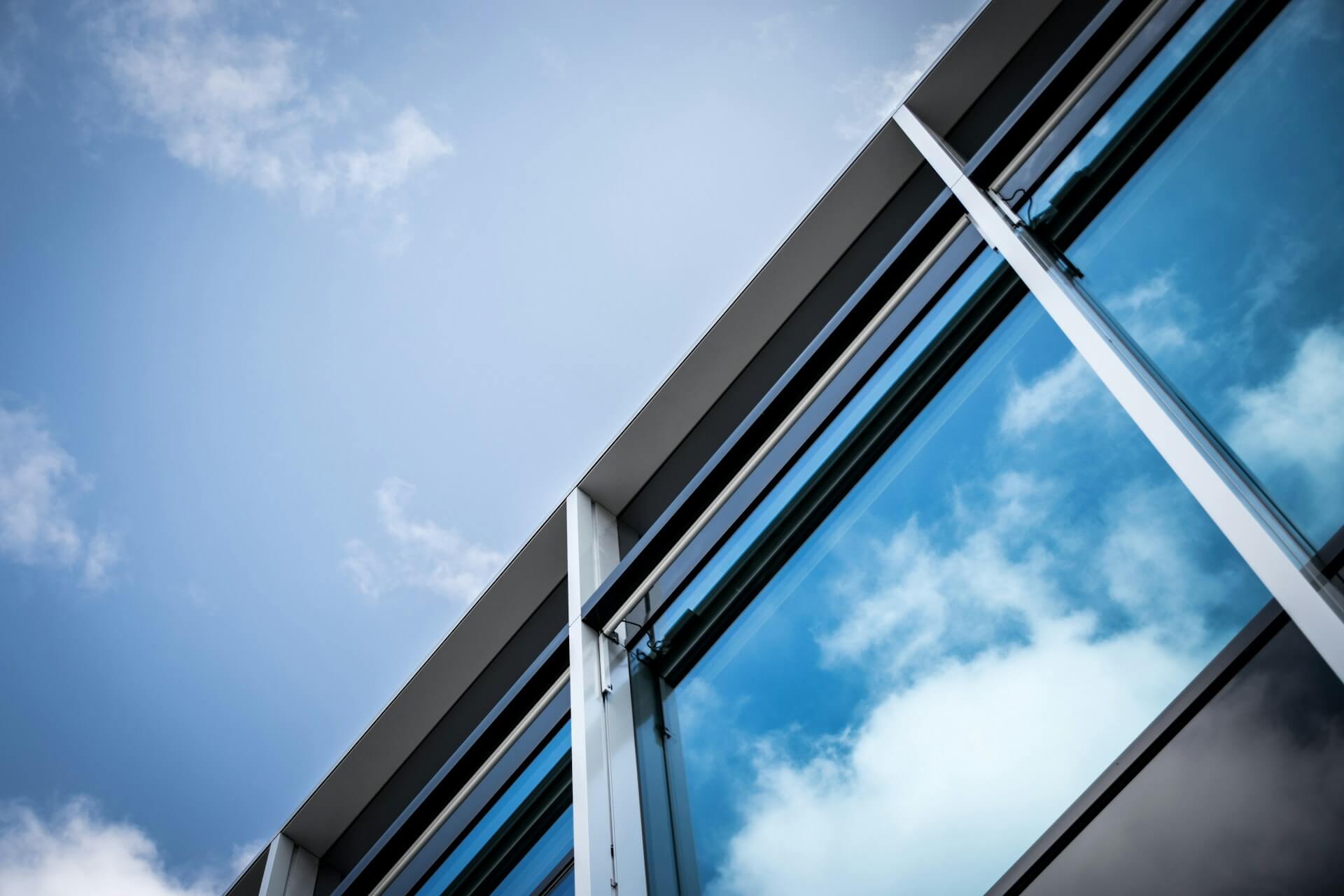
Aluminum profiles are widely used in modern buildings, especially for windows, doors, curtain walls, and façade systems. However, untreated aluminum surfaces can be vulnerable to corrosion, weather exposure, and wear.
To improve durability and appearance, aluminum profiles typically undergo specialized surface finishing treatments. Among the most common processes used in the construction industry are powder coating, PVDF coating, and anodizing.
Each method offers different advantages and is suitable for different applications.
- Powder Coating (Electrostatic Powder Coating)
Powder coating is one of the most widely used finishing methods for aluminum windows and doors. In this process, dry powder paint is applied to the aluminum surface through electrostatic spraying and then cured in an oven at high temperature.
Advantages
- Wide range of color options
- Good resistance to scratches and wear
- Environmentally friendly process with low emissions
- Relatively cost-effective compared with other coatings
Disadvantages
- Slightly lower UV resistance compared with PVDF coatings
- Surface finish may fade after long-term outdoor exposure in harsh climates
Typical Applications
Powder coating is commonly used for:
- residential aluminum windows and doors
- balcony railings
- interior aluminum components
- general exterior building applications
- PVDF Coating (Fluorocarbon Coating)
PVDF coating, also known as fluorocarbon coating, is a high-performance finishing method often used in large commercial buildings and curtain wall systems. The coating contains fluoropolymer resins that provide excellent resistance to weathering and chemical exposure.
Advantages
- Excellent weather resistance and UV stability
- Superior color retention over long periods
- Strong resistance to corrosion and pollution
- Ideal for harsh climates and coastal environments
Disadvantages
- Higher cost compared with powder coating
- Longer production process
Typical Applications
PVDF coatings are widely used in:
- high-rise building façades
- curtain wall systems
- commercial buildings
- airports, office towers, and landmark architecture
- Anodizing
Anodizing is an electrochemical process that creates a protective oxide layer on the aluminum surface. Unlike paint coatings, anodizing forms a durable aluminum oxide layer that becomes part of the metal itself.
Advantages
- Excellent corrosion resistance
- Elegant metallic appearance
- High durability and wear resistance
- No risk of peeling or flaking
Disadvantages
- Limited color options compared with powder coating
- Surface scratches may be more visible
Typical Applications
Anodized aluminum is commonly used in:
- high-end residential projects
- commercial buildings
- interior architectural elements
- decorative aluminum components
Choosing the Right Surface Finish
The selection of an aluminum surface finishing method depends on several factors, including project budget, building location, environmental conditions, and design requirements.
- Powder coating is a versatile and cost-effective choice for most residential and standard exterior applications.
- PVDF coating is ideal for high-end commercial buildings and projects exposed to harsh weather conditions.
- Anodizing offers a refined metallic finish and long-term durability for architectural applications.
Understanding these surface finishing options can help architects, developers, and builders select the most suitable aluminum profiles for their projects.